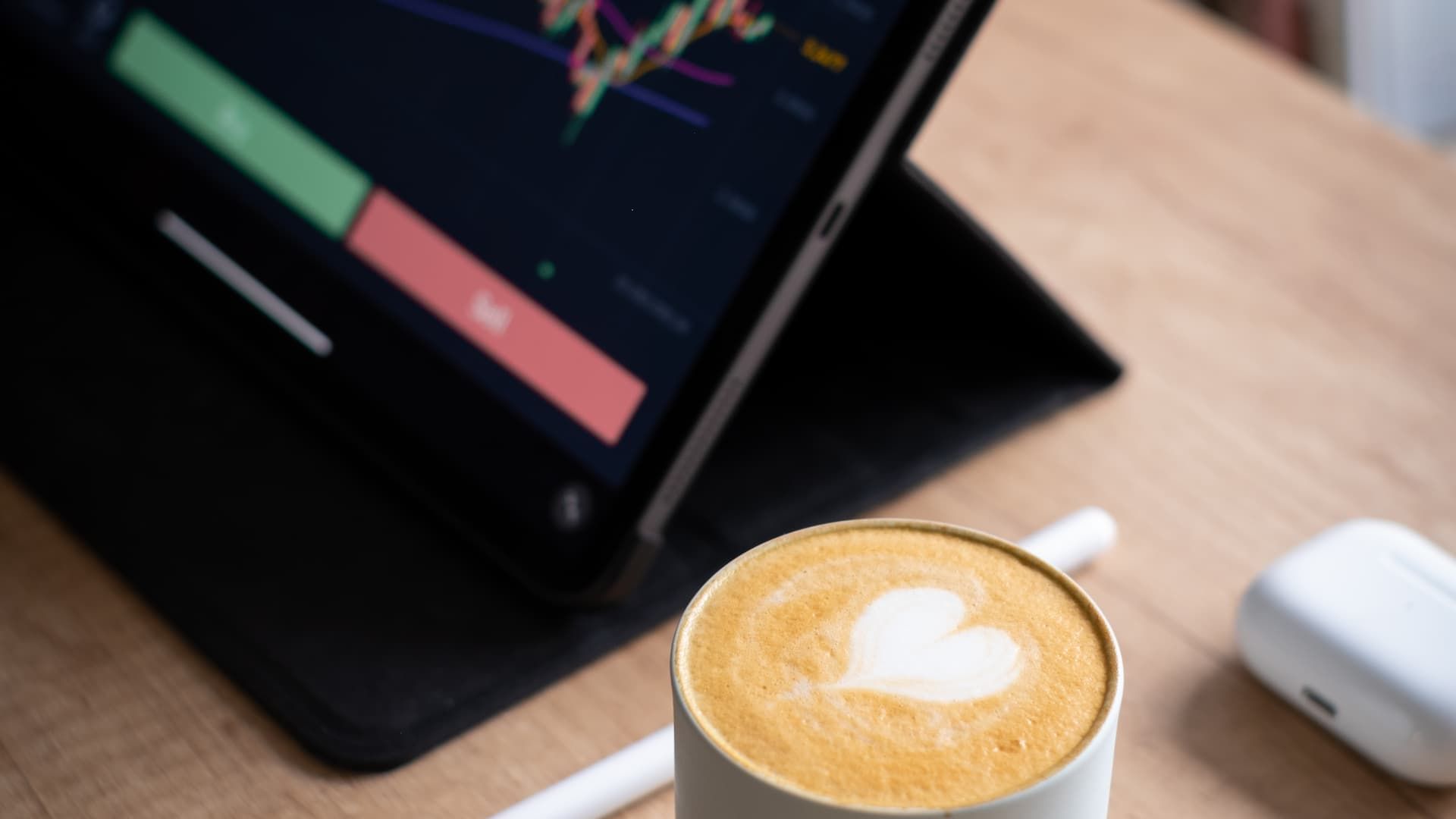
Copy trading is a super straightforward way to get into online trading without needing to build a complex trading strategy from the ground up. Instead of going it alone, beginners can follow more experienced traders and have their trades automatically duplicated. This approach makes it much easier for new users to get a feel for how real trading is done.
What is Copy Trading
Copy trading lets one user link their trading account to that of a more seasoned trader and replicate their moves in real time. When a trader opens or closes a position, the same trade is then executed on the follower's account in the same proportion. This model is perfect for people who are interested in the financial markets but either don't have the experience or the time to do their own analysis.
How Copy Trade Strategies Work
Getting started is pretty simple. You just need to choose a trader from a list of experienced pros or professional traders available on a platform. Each trader has a profile that shows their performance, drawdowns, and trading style. Once you've selected someone to follow, the system automatically copies their same trade for you, making it pretty close to automated trading.
Some platforms also include social trading, allowing users to discuss results, comment on each other's performance, and learn from one another. A related concept is mirror trading, where predefined strategies are followed rather than individual traders. Whatever platform you use, you should always make sure you're aligned with your risk tolerance to avoid any unexpected losses.
Key Components of a Copy Trading Platform
A good copy trading platform should include clear and transparent trader statistics, risk controls, and clear rules for execution. Users should be able to set limits, pause copying at any time and diversify across multiple traders if needed. This makes copy trading super attractive for beginners who want guided exposure to the market while they gradually learn how things work.
Copy Trading for Beginners: The Basics
Copy trading is designed to make investing more accessible for people without a lot of trading experience. It lets users participate in the market by following others, rather than trying to rely on prior trading experience or constant market research. This approach is especially popular among retail investor accounts, where simplicity and clarity are super important.
Why New Traders Choose to Copy Trade
Many beginners choose this approach because it reduces the pressure of making decisions all by yourself. On most copy trading platforms you can review performance data and pick one trader or several to follow. Once you're connected, trades are set to automatically replicate, so you don't need to be glued to the charts all day or manually react to price movements.
Another key reason is risk management. Beginners can set limits, allocate only a portion of their balance and stop copying at any time. While its possible to make profits, users should also understand the risks involved. Poor decisions by the trader you're following can still cause you to lose money and this is especially true during periods of high market risk.
Common Mistakes Beginners Make in Copy Trading
One mistake a lot of new users make is ignoring risk management settings and copying with too much capital. Others rely heavily on signal providers or trading signals without understanding how trades are opened and closed. Some users also expect perfect trade execution, forgetting that timing differences and slippage can affect results.
Another issue is confusing copy trading with traditional trading. Unike copy trading, manual trading requires constant analysis and decision making, while copy trading shifts responsibility to the trader you're following. Treating these two approaches as identical often leads to unrealistic expectations.
How Copy Trading Works in Modern Markets
In modern markets, copy trading gets integrated directly into platforms where trades are executed instantly. When the original trader places an order, the system mirrors it across connected accounts with proportional sizing. This makes it super easy for beginners to get exposure without needing to master every technical detail.
Types of Copy Trading Systems
Some systems focus on copying individual traders while others rely on structured strategies shared across social trading platforms. In certain cases, platforms emphasize compliance and transparency, making copy trading legal within specific jurisdictions. These systems aim to balance accessibility with accountability.
Automation vs. Manual Copy Trading
Fully automated copy trading handles everything from order placement to position closing, offering simplicity and consistency. Manual copy trading lets users review trade execution and decide whether to follow each action. Automation saves a lot of time but manual control can help you learn more about how markets work over time.
Getting Started with Copy Trading on 24markets.com
Starting copy trading on 24markets.com is built around simplicity and transparency. The platform gives access to global markets, allowing beginners to follow active strategies without needing to manage every detail on their own. The focus is on clarity so users can understand what's happening in their account at each step.
Setting Up Your Account and Choosing Traders
First off, you need to get signed up and have your own account on the platform. After you've got your account all verified you can head on over to the copy trading section and take a gander at the different copy traders that are available. Each of their profiles will show you their historical data, the open trades they've got on right now, and their overall trading performance, which really helps you compare the top performers and make a decision on who you want to follow.
When you link up your account to one of these copy traders, their trades will get copied over directly into your account. So you don't have to put in the effort of placing orders yourself, or do a whole lot of analysis for every single trade. Some people like to follow multiple traders so they can spread their risk around a bit, while others like to stick with one approach and see how it plays out. The platform also supports trading CFDs, which means you can create strategies that cover different types of assets.
Before you dive in, it's worth considering:
-
Looking at the recent trading results for the different traders
-
Being a bit cautious when it comes to following a really risky strategy during times when the market is a bit unstable
-
Thinking about how to diversify your portfolio, rather than just copying one trader
Risk Management Tools for Copy Traders
The risk management tools on platforms like 24markets.com are a key part of copy trading. You can set limits to keep an eye on your risk, reduce your portfolio risk and keep your balance safe from big losses. These tools are especially important during times when the market is moving fast, or when a trader starts to change their behavior.
Copy trading doesn't replace actual trading, but it does make it so you don't have to be glued to your screen all day. You're always in control. Trades are executed within your own account, and if the results start to go downhill you can stop copying that trader right away.
Copy Trading: The Good and the Bad for Beginners
Copy trading is often seen as an easy way to get into trading, but it's got both its strengths and its weaknesses. Understanding how it works in practice will help you decide whether this is the right approach for you and your goals.
When Copy Trading Makes Sense
Copy trading is a good idea for people who like a more guided approach, and want to get exposure without having to make a million decisions. A lot of beginners find it useful to just follow a trader's past results, rather than trying to build their own systems. By keeping an eye on a trader's performance over time, you can get a sense of how they'll behave in different market conditions.
It can also help you develop better trading habits by showing you how real trades get managed, opened and closed. Some platforms even let you see the technical indicators that expert traders use, which can help you get a bit more confidence.
Copy trading might be right for you if:
-
You like following a few different traders, rather than trying to manage every position yourself
-
You want access to professional trading services, without having to do all the work yourself
-
You're cool with adjusting your risk level as you go along
When Copy Trading May Not Be the Best Option
Copy trading isn't a good fit for everyone. If you're relying on a single trader, your results will be largely dependent on their decisions, and past results aren't always a guarantee of future success. Plus, on most platforms, traders can change their strategy without warning, which can affect the outcome.
Another downside is that you're putting a lot of trust in the platform to choose a good trader for you. Some people prefer to be in charge of every position, and may find it frustrating to not be able to manage every detail themselves. If you want to have total control over every trade, and don't want to copy a huge volume of trades, copy trading might be limiting for you.
Tips to Make Copy Trading Work for You
To get the most out of copy trading, keep things in perspective and review your results regularly. Spread your risk around, keep an eye on changes, and adjust your settings as needed. The goal isn't just to blindly copy trades, but to use the tools available to help you make informed decisions over time.