So you've decided to try forex trading. Great choice, but let me warn you right away: the terminology alone can make your head spin. It's nothing like the stock market where you simply buy shares of a company and call it a day. Forex is a different beast entirely, with its own language of currency pairs, exchange rates, and concepts that'll take some getting used to.
Here's where things get interesting. The phrase 'mine vs yours' pops up a lot in trading circles, and honestly? Most beginners get it completely wrong. They think it's about owning something, like how investors think about holding company shares in the stock market. But that's not it at all. It's actually about how you mentally frame your positions in the foreign exchange market. Get this wrong early on, and you're setting yourself up for some serious risks and expensive lessons.
Understanding Ownership Concepts in Forex Markets
Let me hit you with something that catches almost everyone off guard. When you trade forex, you don't really "own" anything. Not in the traditional sense, anyway. You're not buying a piece of a company. You're speculating on whether one currency will get stronger or weaker against another. The size of your trading account doesn't change this fundamental reality: the market belongs to nobody.
This mental shift? It's massive. I've seen countless traders come from investing backgrounds where they're used to being shareholders, actual owners of businesses. Building real forex knowledge means accepting that you're playing a completely different game here. You're in one of the world's biggest financial markets, sure, but you're not claiming ownership of anything. You're just betting on price movements between currencies, period.
What 'Mine Yours' Means in Trading Context
Now, in professional trading rooms, 'mine' and 'yours' actually mean something specific. When a dealer shouts 'mine', they're buying the base currency. 'Yours' means they're selling. It's all about speed, when the current market price is jumping around every second, you need quick verbal shortcuts.
But there's a deeper layer here that matters way more for your success. It's the psychology of ownership. Some traders and you'll probably do this yourself at first: treat every open position like it's their baby. They get emotionally invested, check it every five minutes, stress about every tick. Others? They stay cool. They know market sentiment can flip on a dime, and getting attached is pointless.
Mine vs Yours in Trader Decision-Making
The difference between these two mindsets will literally make or break your trading career. I'm not exaggerating. Traders who treat positions as 'theirs' in an emotional sense hold losing trades way too long. They watch the actual price drift further and further against them, thinking 'it has to come back, it just has to.' They take market moves personally, like the market is somehow out to get them specifically. This clouds your judgment faster than anything else and destroys risk management.
The smart money? They base informed decisions on cold, hard data. Feelings don't enter the equation. They understand that a winning or losing trade is just that, a trade. Close it when the plan says to close it. The market doesn't know you exist. It doesn't care about your mortgage payment or your kid's tuition. It moves on interest rates, central bank policies, and the overall economy. Your hopes and dreams aren't part of that equation.
Market Mine Explained for Forex Beginners
Alright, let's get practical. What does 'market mine' actually mean when you're sitting there with your finger on the trade button? Simple, when you hit that market order, you're saying 'I'll take whatever the current market price is right now.' You're not being picky about whether it's the bid price or ask price. You want in immediately at the prevailing exchange rate, no questions asked.
Compare that to a limit order. With that, you're basically telling the market 'I'll wait, thanks. Let me know when you hit my limit price.' It's patient. It's calculated. Understanding when to use each approach is absolutely fundamental to allowing traders any kind of control over their entries and exits. Most beginners spam market orders because they're impatient. Don't be that person.
How Market Mine Applies to Trading Positions
Think about it this way. The moment you open a position, whether it's a short position expecting prices to tank or a long position riding an uptrend, that decision is yours. All yours. You picked the particular currency pair. You decided on the size. You chose the timing. And until you hit that closed position button, you're responsible for managing it.
New traders struggle here because they expect validation. 'I bought EUR/USD, so obviously it should go up now, right?' Wrong. Market movements don't work that way. They're driven by institutional money flows, economic reports, central bank decisions affecting interest rate differentials. Your $500 micro lot? It means exactly nothing to these forces. Professional traders with decades of trading experience learned this lesson early. You should too.
Common Misinterpretations of Market Mine
Here's a misconception I see constantly: people think 'market mine' refers to some secret strategy or insider access. It doesn't. Every retail trader out there has access to the same prices, the same razor thin spreads, the same execution speed. What separates winners from losers is how you interpret data and whether you actually use proper risk management tools to protect your trading account from getting wiped out.
Another wrong idea? That pro traders somehow have 'their' markets while retail folks are outsiders looking in. Look, the forex market is surprisingly democratic. Yes, big institutions can move prices with massive orders. But they're seeing the same charts you are. The difference is capital, experience, and access to those tight spreads that shave costs over thousands of trades. Not magic.
Essential Forex Trading Terms Every Trader Should Know
Enough philosophy. Let's talk nuts and bolts. These trading terms aren't optional knowledge, they're survival basics for currency trading. And here's something most guides won't tell you: most currency pairs quote to the fourth decimal place. That tiny detail matters when you're tracking price movement precisely.
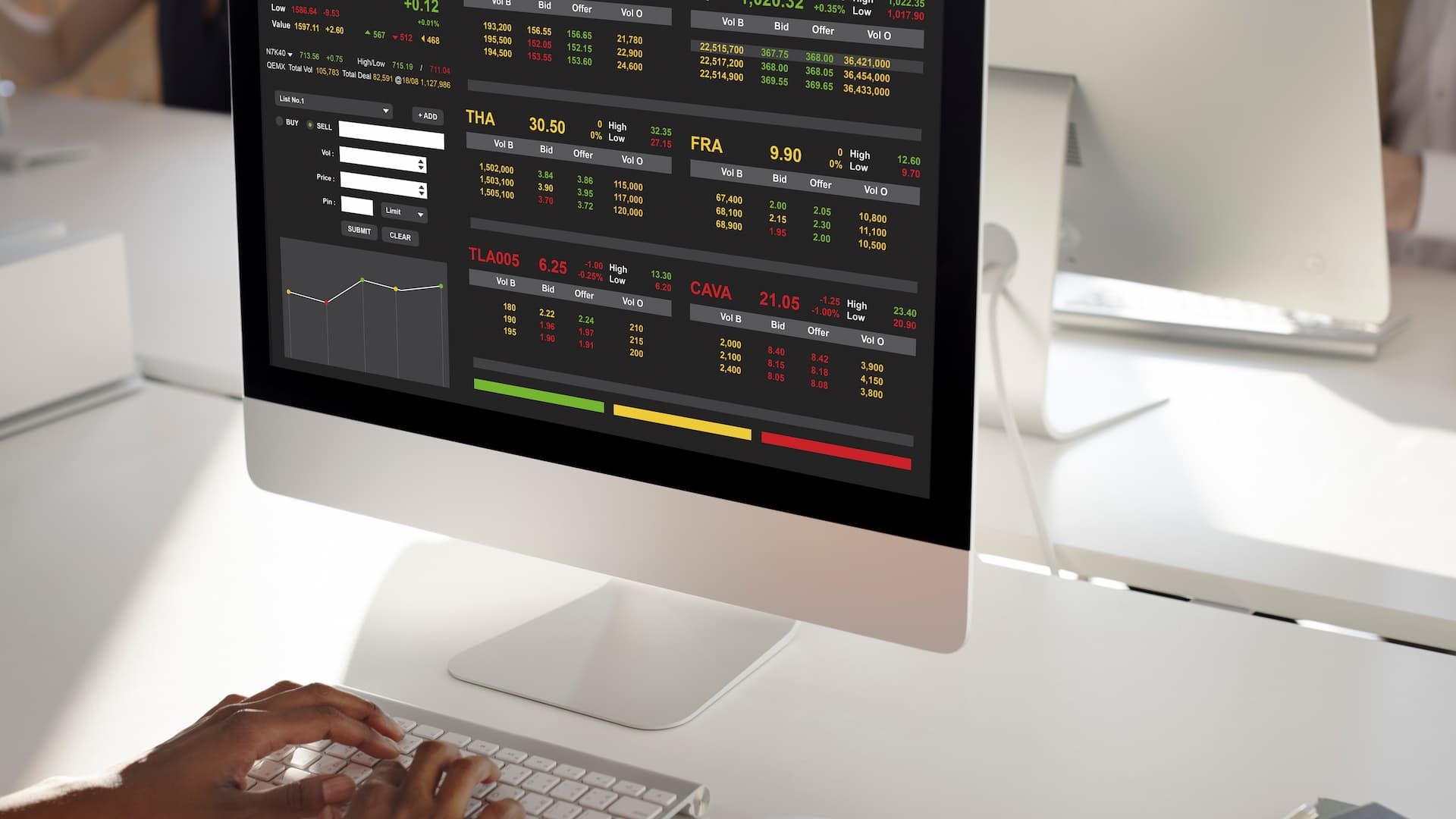
The ask price is your cost to enter a long trade. It's always a bit higher than the bid price, that gap is the spread. Brokers advertising razor thin spreads? They're giving you real value because you're paying less just to get into a trade. Over hundreds or thousands of trades, this seemingly small difference crushes your profitability or saves it. Do the math sometime. It's shocking.
Key Forex Trading Terms Related to Risk and Control
It's about position sizing, using stop loss orders intelligently, and actually sticking to a rule about how much of your account you'll risk per trade. Pros risk 1-2% per trade. Beginners, riding high on confidence? They'll risk 10% or more, exposing themselves to potential risks that can devastate an account in one bad news event.
Let's break down currency pairs properly. Take EUR/USD. The base currency is the Euro, always first. The quote currency is the US Dollar, telling you how much of it you need for one currency unit of the Euro. EUR/USD at 1.0850? One Euro costs you $1.0850. Seems basic, but understanding this helps you interpret closing prices and anticipate future market movements instead of just reacting blindly.
Order types matter too. A limit order gives you control. You name your entry price and wait. A market order fills right away when market conditions allow, at whatever price is available. A stop loss order? That's your emergency brake, automatically closing losing positions at preset levels to limit potential losses. Each has its place in your trading strategy, helping with mitigating potential risks before they snowball into disasters.
When you're trading the Japanese yen or anything else, don't just stare at the exchange rate. Look at the interest rate differential between the two countries. Higher interest rates make a currency more attractive, affecting purchasing power and creating carry trade opportunities where you profit from that rate difference. This is intermediate-level stuff, but you need to know it.
Mines Market Concepts and Their Role in Forex Education
Look, 'mines market' isn't something you'll find in textbooks, but man, does it nail a trap I've watched traders fall into over and over again. Maybe you've been there too, that moment when you're absolutely convinced you've cracked the code. You start thinking 'this market is MINE now.' Like your charts and indicators give you superpowers nobody else has. Doesn't matter what actual market activity is showing. Doesn't matter if the market reaches nowhere near your predictions. You just KNOW you're right.
Here's the thing though. That overconfidence? It's basically a flashing red warning light. The foreign exchange market has a way of humbling everyone. And I mean everyone. I've seen hedge fund managers with decades of experience get their faces ripped off. We're talking about a market so massive and complex that not even major banks can consistently control price movements in most currency pairs. Once you truly accept that reality, your whole approach changes. Your ego shrinks. You start managing risk properly with the right financial instruments instead of gambling.
How the Mines Market Influences Trading Psychology
Here's where it gets dangerous. The second a trader adopts that 'mines market' mentality, their ears close. They stop listening completely. I've watched this happen in real-time. Market sentiment shifts, warning signs flash everywhere, but they ignore it all because 'I know what I'm doing.' Classic confirmation bias kicks in hard, they cherry-pick data that confirms their view while completely dismissing everything else. Even when price movement is literally screaming 'YOU'RE WRONG', they double down.
Want to know what separates traders who survive from those who blow up? Flexibility. Period. You need to be genuinely okay with admitting you were wrong and changing course when new data appears. Ready to pivot the moment price action shows them something different. They make informed decisions based on what's actually happening, not what they wish was happening. They can tell when the market moves in the same direction as their bet versus when it's time to swallow their pride, hit those exit points, and move on to the next opportunity.
The market doesn't care about your ego. It rewards the flexible and absolutely destroys the stubborn. If you find yourself constantly fighting market movements because they 'should' be going your way, stop. Right now. You're on a fast track to frustration and blown accounts. Here's a hard truth you need to tattoo on your brain: the market doesn't give a damn about your analysis or opinions. It moves because millions of participants worldwide are all trying to sell currencies they think will tank and buy ones they believe will pump. That's the entire game. Nothing more, nothing less.
Whether you're trading CFDs or spot forex, you've got to develop this sixth sense for when market conditions actually line up with your trading strategy versus when they're working against you. Pay attention to shifts in market risk levels. Seriously pay attention. Be ready to adjust your trading strategy on the fly. Know when to take profit and walk away instead of getting greedy, sitting there hoping the market reaches some insane target you pulled out of thin air. And those session levels, the lowest price and highest price in any given period? They're not just random numbers. They're telling you a story about volatility and what's actually realistic for your trading ranges. Most traders ignore these signals. Don't be most traders.